
Mineral Glass vs Sapphire Glass: What's Actually Protecting Your Watch Face

If you've shopped for a watch recently, you've probably noticed the spec sheet mentions the crystal - the clear cover protecting the dial. Most brands offer either mineral glass or sapphire crystal, and the difference matters more than the one-line description usually lets on.
Mineral Glass: The Everyday Workhorse
Mineral glass is treated glass, heat- or chemically-hardened to resist shattering. It's the standard choice on affordable and mid-range watches for good reason: it's inexpensive to produce, and it does a solid job of protecting the dial from everyday knocks.
Its one real weakness is scratch resistance. Mineral glass sits around 5 on the Mohs hardness scale, which means everyday culprits, keys in a pocket, a rough desk edge, sand at the beach, can leave fine scratches over time. The upside is that if it does crack, it's cheap and easy to replace.

Sapphire Crystal: Built to Outlast the Watch
Sapphire crystal is synthetic corundum, the same mineral family as ruby and natural sapphire, grown in a lab and cut to shape. It sits at 9 on the Mohs scale, only diamond is harder. In practice, this means sapphire crystal will resist scratching from almost anything you'll encounter day to day.
That hardness comes at a cost, quite literally. Sapphire is more expensive to manufacture and, ironically, more brittle than mineral glass, it resists scratches brilliantly but can be more prone to shattering under a sharp, direct impact. It's also harder (and pricier) to replace if damaged.
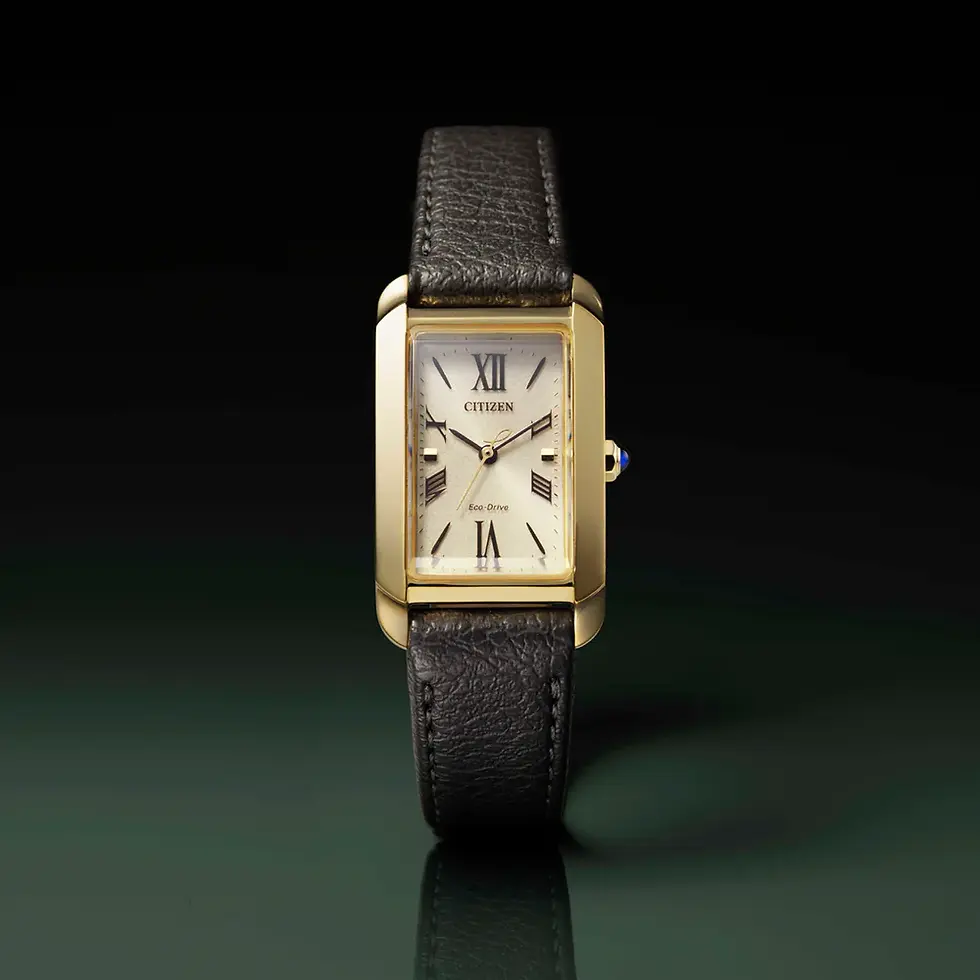
Which One Should You Choose?
Mineral glass suits everyday, budget-conscious watches, kids' watches, or pieces you're not precious about.
Sapphire crystal is worth the premium for a watch you'll wear daily for years, want to keep looking pristine, or plan to pass down or resell.
Neither is objectively "better". They trade off differently between scratch resistance and impact resistance, and price follows accordingly. The right pick comes down to how you'll wear the watch and how much you value a scratch-free face over the long haul.
Quick tip: Not sure what crystal your watch has? Check the product listing or case back. Most brands note it clearly, since it's a genuine selling point.

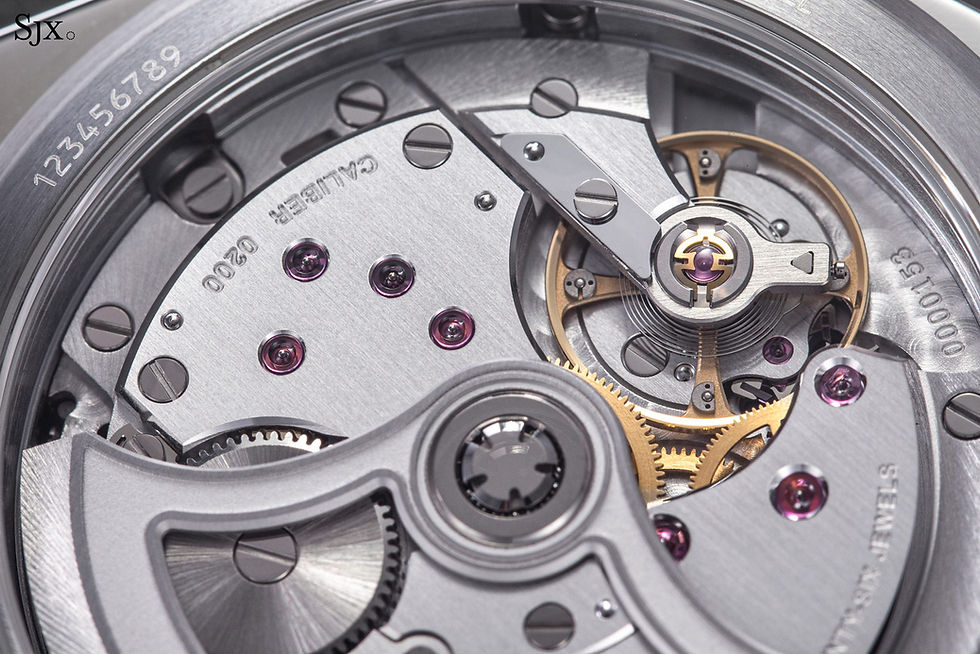
The analysis of mineral glass versus sapphire crystal reveals important insights about watch durability and cost. The trade-offs between scratch resistance and impact resilience shape consumer choices significantly. It's interesting to see how personal values influence the decision-making process when investing in a watch, especially with brands like Wazamba potentially offering different materials for various price points. Understanding these factors is essential for making an informed purchase.
It's interesting to consider the trade-offs between mineral glass and sapphire crystal in watches. The decision ultimately hinges on your lifestyle and preferences. For daily wear, understanding how the features align with your needs is crucial. If you're someone who values a scratch-free face over long-term durability, the choice becomes clearer. Winspirit https://www.bodyblueprint.co.nz/ highlights the importance of these factors in making an informed decision.
The resurgence of retro styles, like the Casio trend 2026, raises fascinating questions about consumer behavior. As society shifts towards valuing simplicity and authenticity, one must ponder what this means for modern technology's role in our lives. Is the appeal of a watch that purely tells time indicative of a larger desire for meaningful experiences? The Pokies may also reflect this yearning for nostalgia, highlighting deeper connections in our choices.