
Chronograph vs Standard: Do You Really Need Those Extra Dials?
- WatchWorldAustralia

- Jul 23
- 3 min read

You're browsing for a new watch. Two nearly identical models sit side by side. One has a clean, simple face. The other has three extra dials, a couple of pushers on the side, and a price tag that's noticeably higher. Same brand. Same case. So, what are you actually paying for?
That's the chronograph question, and almost every watch buyer hits it eventually. Let's settle it properly.
First, What Even Is a Chronograph?
Here's the bit that trips people up: a chronograph isn't a type of watch, it's a function. Specifically, it's a built-in stopwatch. Press start, and those extra sub-dials start tracking elapsed seconds, minutes, sometimes hours. Press stop, read your time. Press reset, and you're back to zero.
Those pushers on the side of the case (usually one above and one below the crown)? That's your giveaway. If a watch has them, it's a chronograph. No pushers, no stopwatch function - it's what we'd call a standard, or "time-only," watch.
So the busier dial isn't decoration. It's a genuine second mechanism, layered into the same case as your everyday timekeeping.
What a Chronograph Actually Does For You
This is where the extra dials earn their keep:
Timing anything, precisely. Cooking a steak, timing a workout interval, tracking how long the kids have been on their screens - a chronograph does this without you pulling out your phone.
Estimating speed and distance. Many chronographs include a tachymeter scale around the bezel or dial edge. Time how long it takes to cover a known distance, and the scale tells you the average speed. It's a genuinely clever bit of old-school engineering.
A more dynamic look on the wrist. Even switched off, a chronograph face has depth and texture that a plain three-hand dial doesn't. For a lot of people, that's reason enough on its own.
Versatility. One watch that handles the boardroom, the gym, and the weekend without looking out of place in any of them.
What a Standard Watch Does Better
Don't let the chronograph win by default, though. A time-only watch has real advantages:
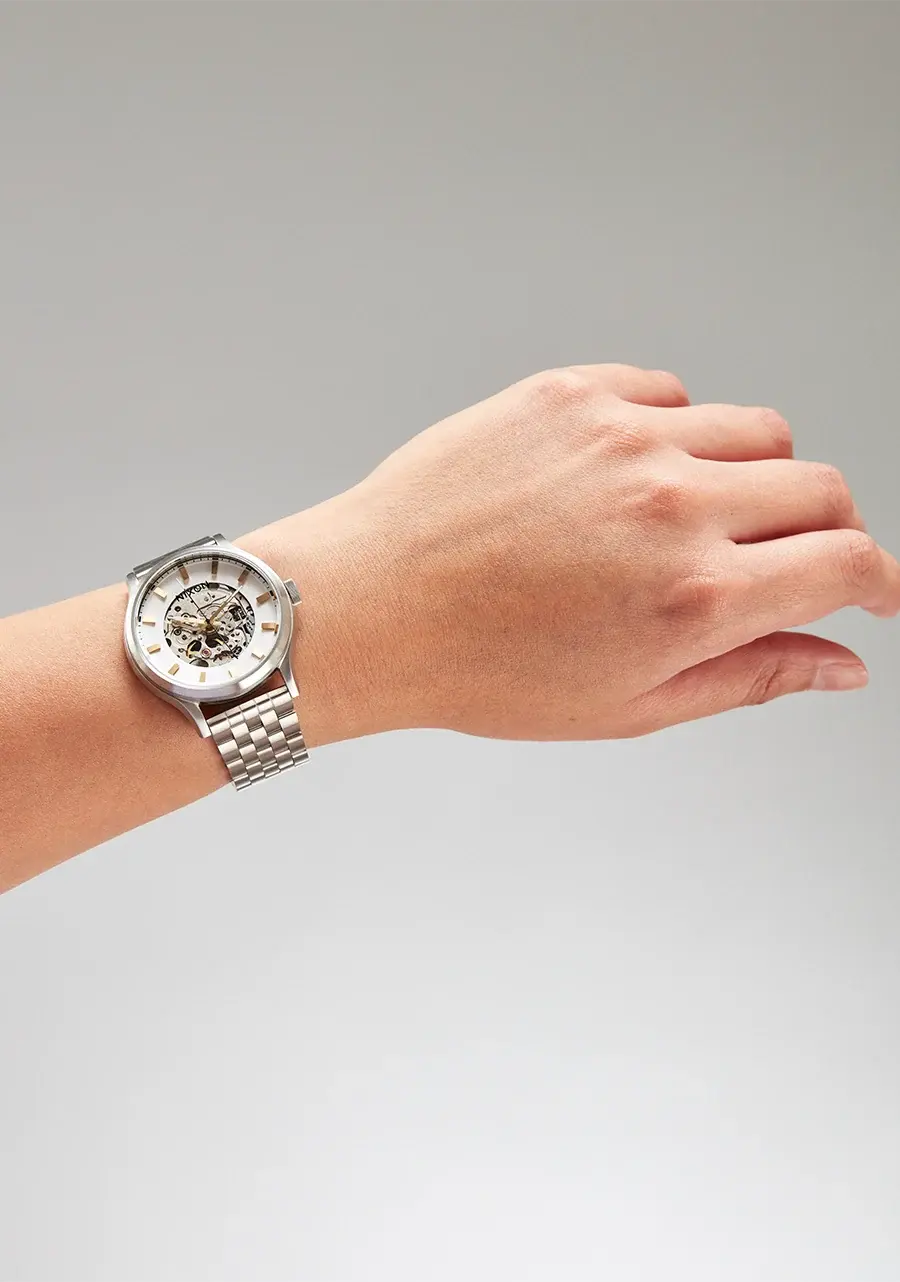
Simplicity that never goes out of style. A clean three-hand dial is legible at a glance, works with any outfit, and never feels dated.
Typically more affordable. Fewer components inside means a lower price for comparable build quality and materials.
Fewer moving parts to service. A chronograph movement is more complex, which can mean a pricier service down the line. A standard watch is mechanically simpler and easier to maintain.
A quieter kind of confidence. Sometimes the whole point of a great watch is that it doesn't try too hard. A standard dial says plenty without needing extra dials to do it.
So, Do You Actually Need One?
Ask yourself these three questions:
Will you use the stopwatch function? Be honest. If you're not someone who's ever reached for a stopwatch, timer, or lap counter, the function itself won't add value, you'd be paying for a feature you'll never press.
Do you like the look? This is a completely valid reason on its own. Plenty of chronograph owners never use the pushers and love the watch purely for the layered, detailed dial. Aesthetics count.
What's your budget doing? If two watches are close in price, the chronograph is often the easy win, more function, more visual interest, same spend. If the chronograph carries a real premium, ask whether that premium is going toward the function or just the name on the dial.
The Bottom Line
Neither option is the "smart" choice and neither is the "wrong" one. A chronograph rewards people who like a bit of extra utility and detail on the wrist. A standard watch rewards people who want timeless simplicity and nothing to think about. The right answer is whichever one you'll actually enjoy wearing every day, because that's the only feature that really matters in the long run.
Browsing chronographs or clean, classic dials? Explore our full range and find the one that fits how you actually live.


Comments