
Skeleton Watches: The Beauty of Seeing the Mechanism Inside
- WatchWorldAustralia

- 2 minutes ago
- 4 min read
Most watches keep their secrets hidden behind a solid dial. Skeleton watches do the opposite, they strip away everything that isn't essential, exposing the gear trains, mainspring, and balance wheel that quietly do the work of keeping time. What's left is part timepiece, part miniature machine, and part piece of wearable art.
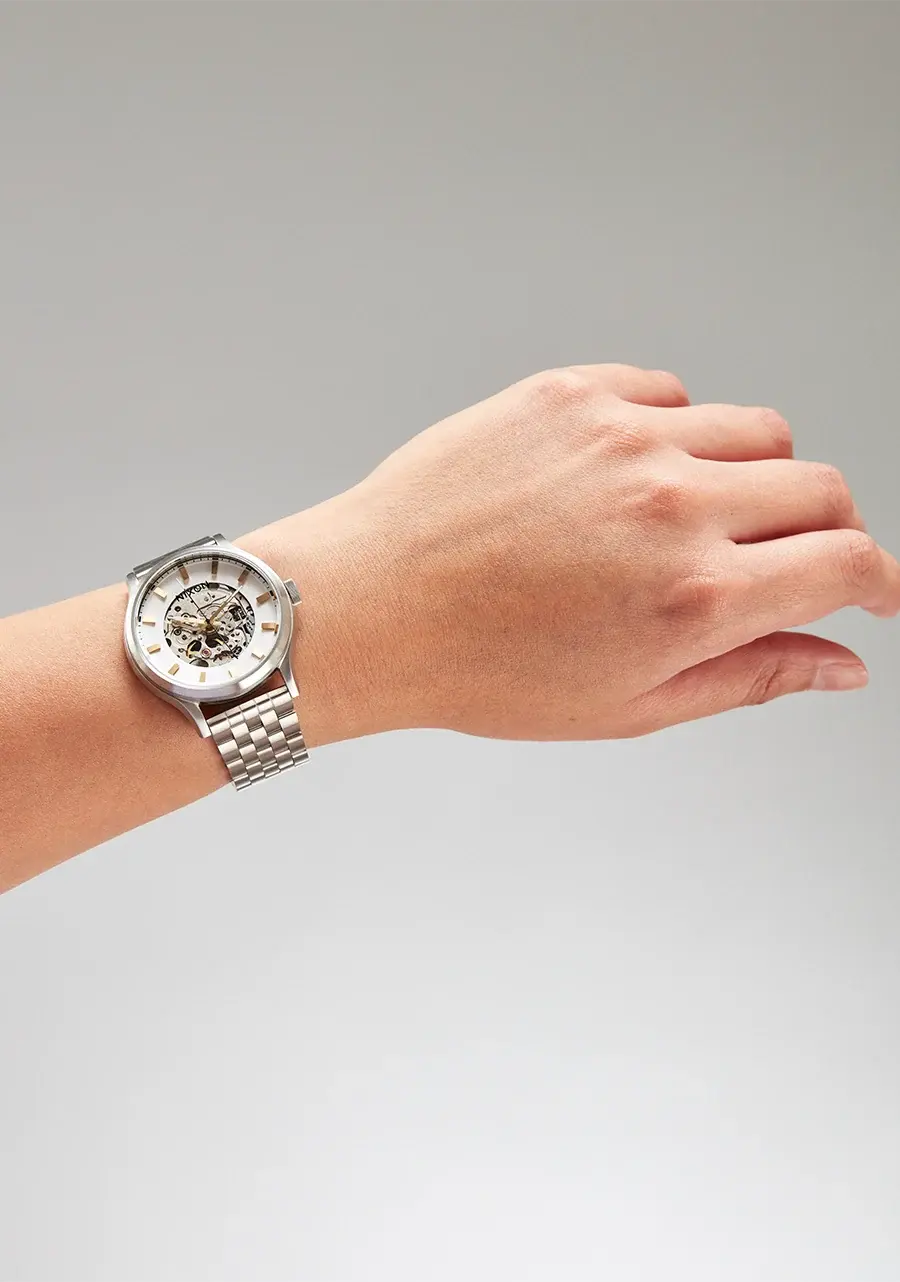
If you've ever wondered why watchmakers bother making something so intricate that you can see straight through it, this one's for you.
What Exactly Is a Skeleton Watch?
A skeleton watch — sometimes called a "skeletonised" watch — is a timepiece where the dial, bridges, and plates have been cut away to reveal the movement underneath. Rather than hiding the mechanics behind a printed face, the case becomes a window into the engineering itself.
There are two broad approaches:
Fully skeletonised: the movement itself is hand-cut and openworked, with material removed from the plates and bridges so you can see light pass all the way through the watch.
Open-heart or semi-skeleton: a smaller cut-out on the dial, usually revealing the balance wheel, while the rest of the dial remains intact. This is a more affordable way to get a taste of skeleton design without the cost of a fully open movement.
Both styles share the same idea: transparency as a design statement.

A Craft with Centuries of History
Skeletonisation isn't a modern gimmick — it dates back to 18th-century Europe, when watchmakers began hand-engraving and cutting away metal from pocket watch movements to show off their craftsmanship. It was as much a flex as it was decoration: if your movement was clean and precise enough to put on display, you wanted the world to see it.
That tradition carried through into wristwatches during the 20th century, and today it sits at the intersection of horological heritage and contemporary design. Swiss ateliers, German workshops, and Japanese manufacturers all bring their own philosophy to the craft, some favour ornate, hand-finished bridges with intricate engraving, while others lean toward a stripped-back, industrial aesthetic that celebrates raw mechanical geometry.
The Engineering Challenge Behind the Beauty
Here's what makes skeleton watches genuinely impressive from a technical standpoint: removing material from a movement's plates and bridges doesn't just change how it looks, it changes how it performs.
Every bridge and plate in a movement exists for a structural reason, holding gears in precise alignment and protecting delicate components from shock and dust. When a watchmaker skeletonises a movement, they have to work out exactly how much material can be removed while keeping the movement rigid, accurate, and durable. Cut away too much, and the movement becomes unstable. Get it right, and you end up with a mechanism that's both structurally sound and visually stunning.
This is why genuinely well-executed skeleton watches, particularly fully skeletonised automatics, tend to sit at a higher price point than their solid-dial equivalents. You're not just paying for the movement; you're paying for the extra hours of hand-finishing, the precision of the cuts, and the engineering required to make a see-through movement just as reliable as a closed one.
Why People Fall in Love with Skeleton Watches
Constant Motion on Your Wrist
There's something genuinely mesmerising about watching a balance wheel oscillate back and forth, or seeing the gear train turn in real time. A skeleton watch is never static. It's a tiny, self-contained piece of kinetic art that's always moving.
A Different Kind of Statement
While a diver or field watch says something about function, a skeleton watch says something about appreciation, for craftsmanship, mechanics, and the centuries-old tradition of horology. It tends to appeal to people who love watches for the engineering as much as the styling.
Every Piece Looks Different
Because skeletonisation involves so much hand-finishing and design variation between brands and models, no two skeleton watches feel quite the same. Bridge shapes, engraving patterns, and movement architecture all vary, which makes them a favourite among collectors looking for something distinctive.
What to Look for When Buying a Skeleton Watch
Movement finishing: Look closely at the bridges and plates. Clean bevelled edges, polished screw heads, and consistent finishing are signs of quality craftsmanship, even at accessible price points.
Legibility: Open-worked dials can be harder to read at a glance. Decide whether you want a fully open design or a semi-skeleton with an open-heart cut-out for a better balance of style and function.
Movement type: Automatic skeleton watches let you watch the rotor spin as it winds the mainspring, an extra layer of visual interest that manual and quartz skeleton pieces don't offer.
Case protection: Because the movement is more exposed, a well-built case and crystal matter more than ever for protecting the mechanism from dust and knocks.

Skeleton Watches at Watch World Online
Whether you're drawn to a bold, fully openworked automatic or a subtler open-heart design, a skeleton watch is one of the clearest ways to see exactly what you're paying for. It's mechanical watchmaking with nothing left to hide.
Browse our current range in-store at Bankstown Central or online, and if you'd like a closer look at how a particular movement is constructed before you buy, our team is always happy to walk you through it.


Comments